
Best CRM Automation Tools for B2B Sales


TL;DR
Compare top CRM automation tools for B2B sales teams, including VibeSell, HubSpot, Gong, ActiveCampaign, and Balto.
Sales leaders lose hours each week to admin, missed context, and fragmented tools. Below is a shortlist of CRM automation tools that cover the whole call lifecycle and let reps focus on selling.
1. VibeSell
VibeSell is a real‑time AI sales companion that builds a pre‑call brief, offers live prompts, and drafts a summary with CRM update suggestions.

It shines for teams that run dozens of meetings a week and need every call to start with the right context.
Before a meeting, VibeSell reads the rep’s calendar, identifies every attendee, and pulls company and personal data without any manual search. The brief includes recent news, talking points, and discovery questions that match the team’s methodology. Because the research is triggered by the calendar, preparation happens for every scheduled call, not just the ones a rep remembers to prep for.
During the call, the assistant watches the conversation and pops up short, actionable cards when the buyer pauses. Cards cover objection handling, competitor intel, and next‑best‑action prompts. The guidance is sparse by design , it never repeats itself or fills silence, so the rep stays present.
After the call, VibeSell writes a meeting summary, drafts a follow‑up email, and proposes CRM field updates for HubSpot or Salesforce. The rep reviews each change and can approve, edit, or discard it.
The tool learns from every meeting. It compares its own guidance to what actually happened and suggests improvements that the team can accept or reject, so the assistant becomes tuned to the specific way the team sells.
One caveat: the desktop client is still early and only works when the meeting is scheduled through VibeSell. Teams that rely on Zoom or other platforms will need the Chrome extension for Google Meet, Microsoft Teams, or Cisco Webex.
VibeSell , Experience Real-Time Intelligence for Sales
2. HubSpot Marketing Hub, broad marketing and CRM automation
HubSpot blends marketing, sales, and service data into a single “smart CRM” that tracks every touchpoint.
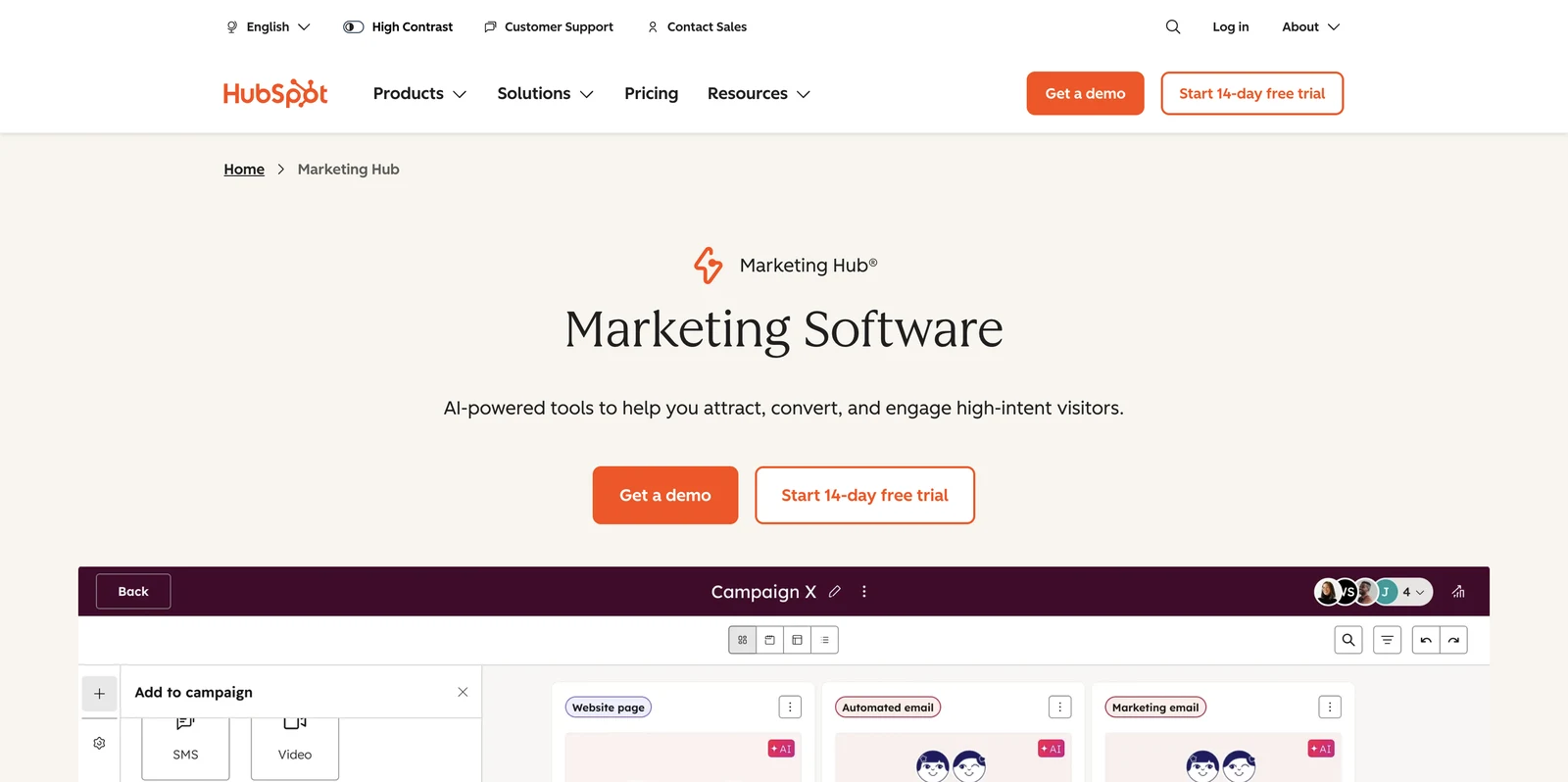
It works well for growing teams that want a unified view of contacts, deals, and campaign performance.
The platform lets users build visual workflows that automate lead scoring, email nurturing, and deal stage changes. AI tools can draft content, spot buying signals, and answer routine customer questions.
HubSpot’s strength is its breadth: the same database powers marketing automation, sales pipeline, and service tickets, so reps never need to jump between apps.
However, HubSpot focuses on post‑call automation and marketing workflows; it does not provide live call guidance like VibeSell does.
Pricing scales with features, and a free CRM tier lets small teams test the platform before upgrading.
For teams that already use HubSpot’s CRM, the Marketing Hub adds a strong automation layer without extra integrations.
Note: HubSpot’s live assistance is limited to chat‑style bots, not real‑time prompts during a sales call.
Read more on HubSpot’s platform at HubSpot.com.
3. Gong, post‑call sales analysis and workflow support
Gong records, transcribes, and analyses every sales conversation.
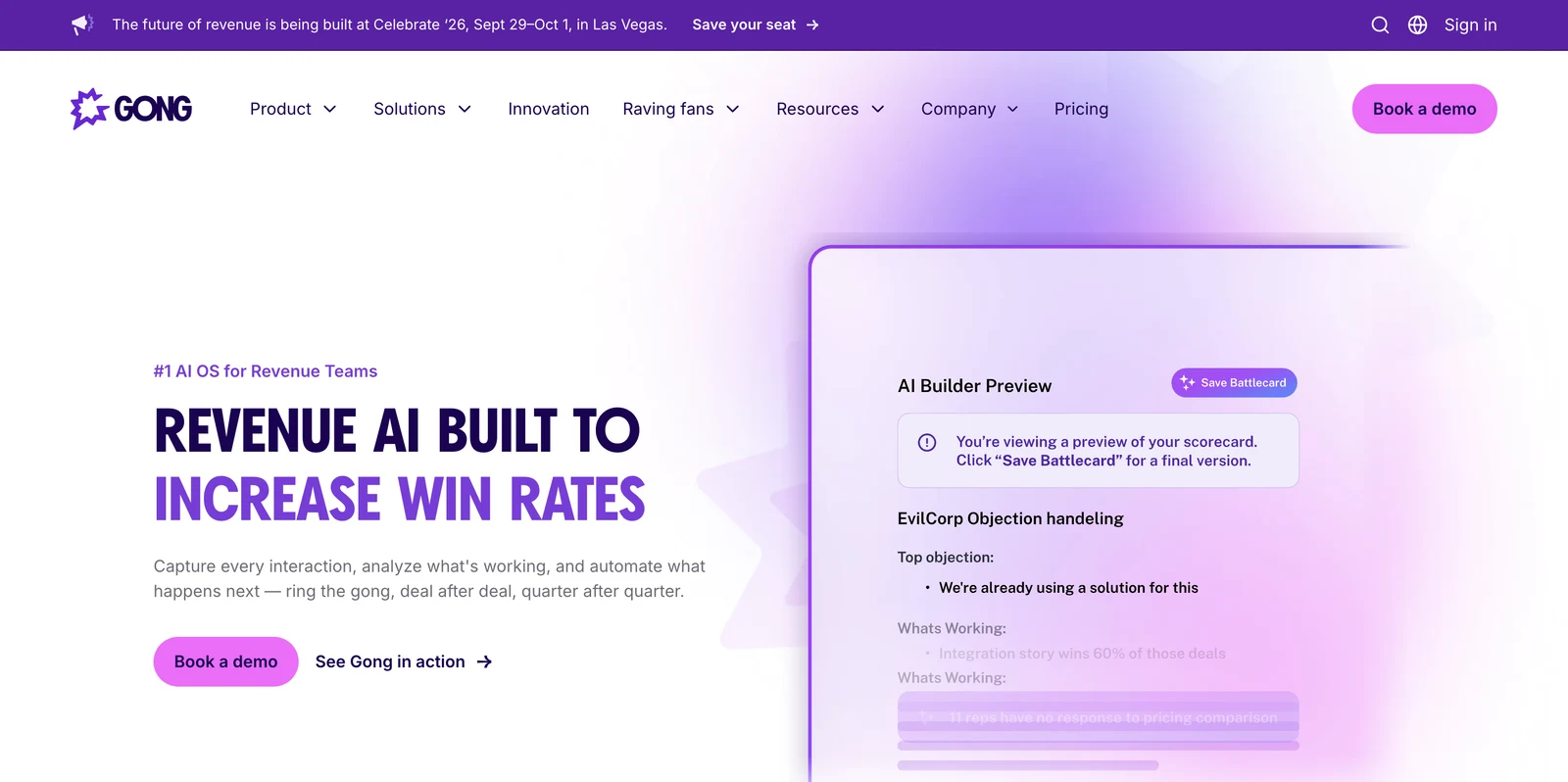
It excels at delivering insights after the call: sentiment trends, keyword flags, and risk scores.
Teams can see which questions drive deals forward and which objections stall progress. The analytics feed into coaching reports that help managers train reps at scale.
Gong does not intervene during the call. Its value is in deep conversation intelligence that informs future strategy.
Because the platform integrates with major CRMs, it can push deal‑stage signals, but reps still need to manually update fields or send follow‑up emails.
For organizations that prioritize data‑driven coaching over real‑time assistance, Gong provides a rich analytics foundation.
Gong’s post‑call automation helps cut the time sales ops spend building reports, but it won’t stop reps from spending minutes typing notes after each call.
4. ActiveCampaign, email and customer communication workflows
ActiveCampaign offers a strong email automation engine that also includes a lightweight CRM.
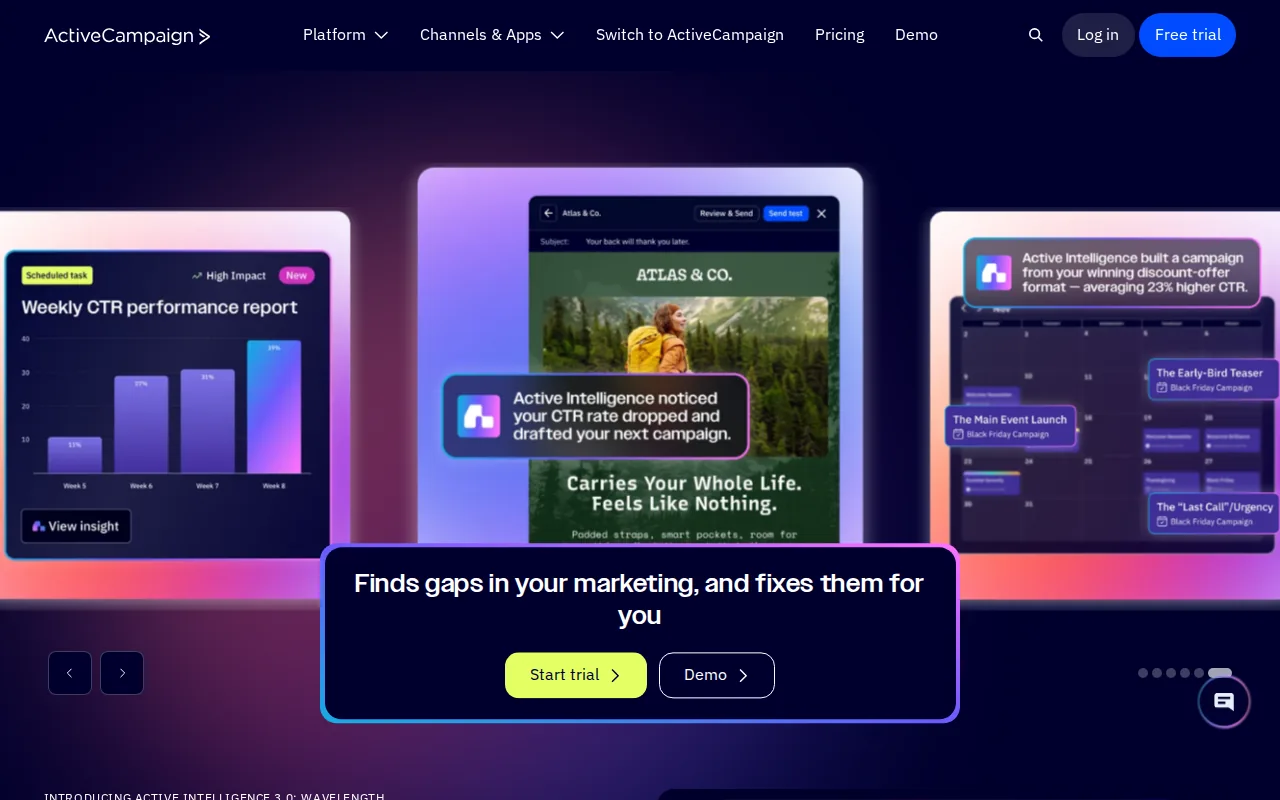
It fits teams that run complex drip campaigns, need segmentation, and want to tie email behavior back to deal stages.
The platform’s “Active Intelligence” suggests the next email or SMS based on a contact’s recent activity. Users can build multi‑step workflows that trigger actions in other tools via native integrations.
While it automates outreach and follow‑up, it does not provide live call guidance. The post‑call step is limited to logging the call as an activity.
ActiveCampaign’s pricing is tiered by contact count, making it a cost‑effective option for midsize teams that already rely on email‑first outreach.
The tool shines when sales and marketing share a single automation canvas, but reps still need to copy notes into the CRM manually.
5. Balto, real‑time prompts for live sales calls
Balto surfaces a script, value pitch, or objection response on the rep’s screen the moment the buyer needs it.
It works best for teams that follow a strict qualification framework and want every rep to stay on message.
The AI watches the live call and flashes the next line in the script when the buyer pauses. It also shows a pricing anchor or closing cue at the right moment.
Balto’s focus is on live prompts; it does not generate post‑call summaries or CRM updates.
Because the guidance is tied to a predefined script, it can feel rigid if a conversation veers off‑script.
Teams that need strict compliance or a consistent pitch often adopt Balto for its predictability.
6. CRM Automation Tools Compared, Which Sales Workflow Each Tool Fits
Each tool tackles a different part of the sales workflow. The table below maps the core automation stage each product covers and the workflow it fits best.
| Tool | Core Automation Stage | Best‑Fit Workflow |
|---|---|---|
| VibeSell | Prep + Live + Post‑call | End‑to‑end meeting execution for reps who want AI help at every moment. |
| HubSpot Marketing Hub | Marketing automation & CRM sync | Teams that need unified data and automated nurture sequences. |
| Gong | Post‑call analytics | Organizations focused on coaching and deal intelligence. |
| ActiveCampaign | Email & workflow automation | Companies that rely on multi‑step email drips linked to sales stages. |
| Balto | Live script prompts | Sales groups that follow a strict qualification script. |
When you look at the whole call lifecycle, only VibeSell covers prep, live guidance, and post‑call automation in a single package.
For a deeper definition of CRM automation, see Wikipedia’s overview of customer relationship management.
Pro Tip: If your team spends more than two days a week on admin, start with a tool that writes CRM updates for you , VibeSell’s approval‑gated workflow is a safe first step.
FAQ
Conclusion
If you need a single AI companion that handles research, live prompts, and post‑call paperwork, VibeSell is the clear pick.


