
Best AI Sales Training Tools for 2026


TL;DR
Compare 10 AI sales training tools for role‑play, coaching, call guidance, and sales workflows. Find the right fit for your team and training goals.
Sales teams waste hours on admin and miss the chance to coach reps while they’re on a call. The market now offers AI assistants that can prep, guide, and summarize meetings. Below is a short list of ten AI sales training solutions and the type of team each one works best for.
1. Dialpad: Live guidance during sales calls
Dialpad’s AI sales coach pops up real‑time cards with battle‑card snippets, objection replies, and product details while a rep talks to a buyer. It’s built for fast‑paced teams that need instant answers and want to keep reps on the phone instead of searching notes.
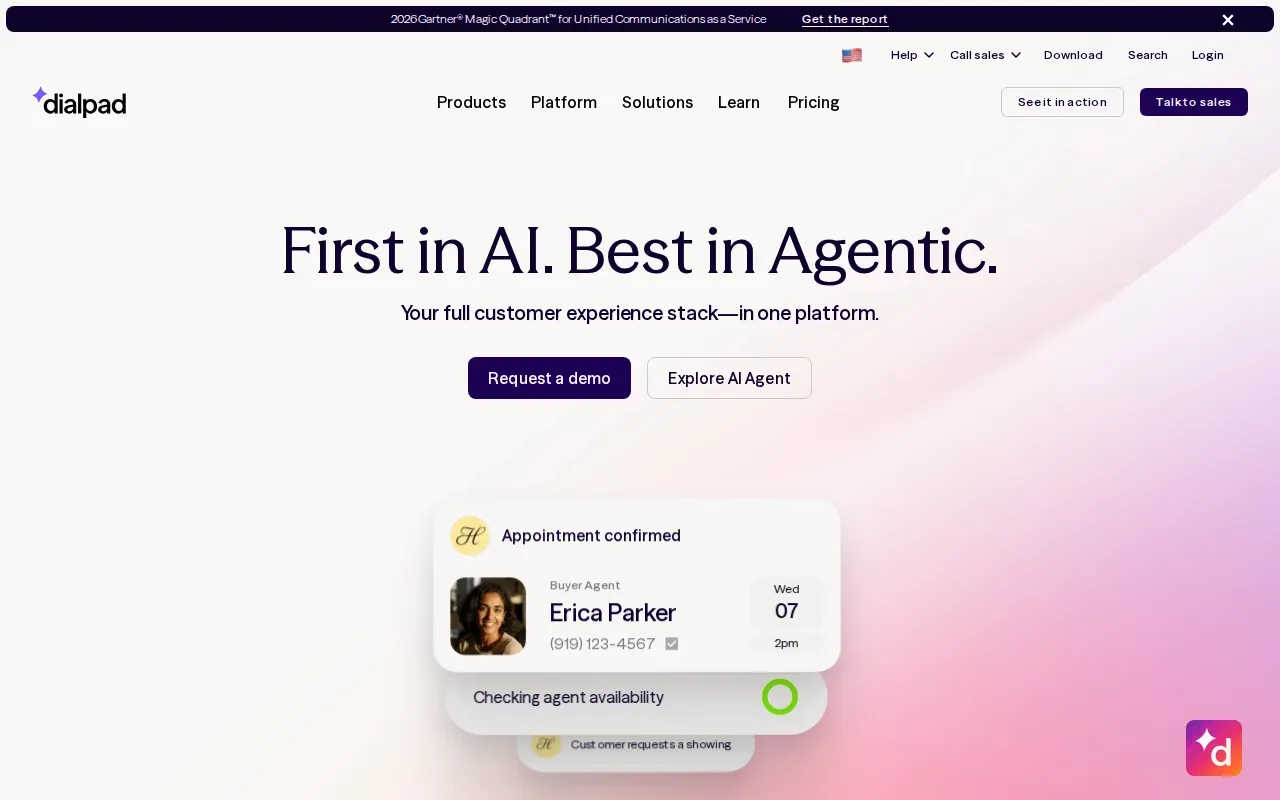
New reps get a quicker ramp because the coach shows them the right line at the right moment. Managers can watch a live sentiment meter and jump in if a deal looks risky. The platform also pushes call recaps and scores to Salesforce or HubSpot, so the CRM stays tidy.
One downside is that the AI only works with the Dialpad calling stack, so teams using a separate dialer must add an extra integration.
Dialpad’s live coaching helps reps stay confident and reduces the time spent hunting for answers.
Pro Tip: Pair the AI coach with a short onboarding video so reps know what each card means before the first live call.
2. PitchMonster: AI role‑play for calls, discovery, and demos
PitchMonster lets reps rehearse cold calls, discovery questions, and demos against AI buyers that mimic real prospects. You feed the platform your own call recordings, battle cards, and objection logs, then the AI builds a buyer persona that pushes back with authentic objections.
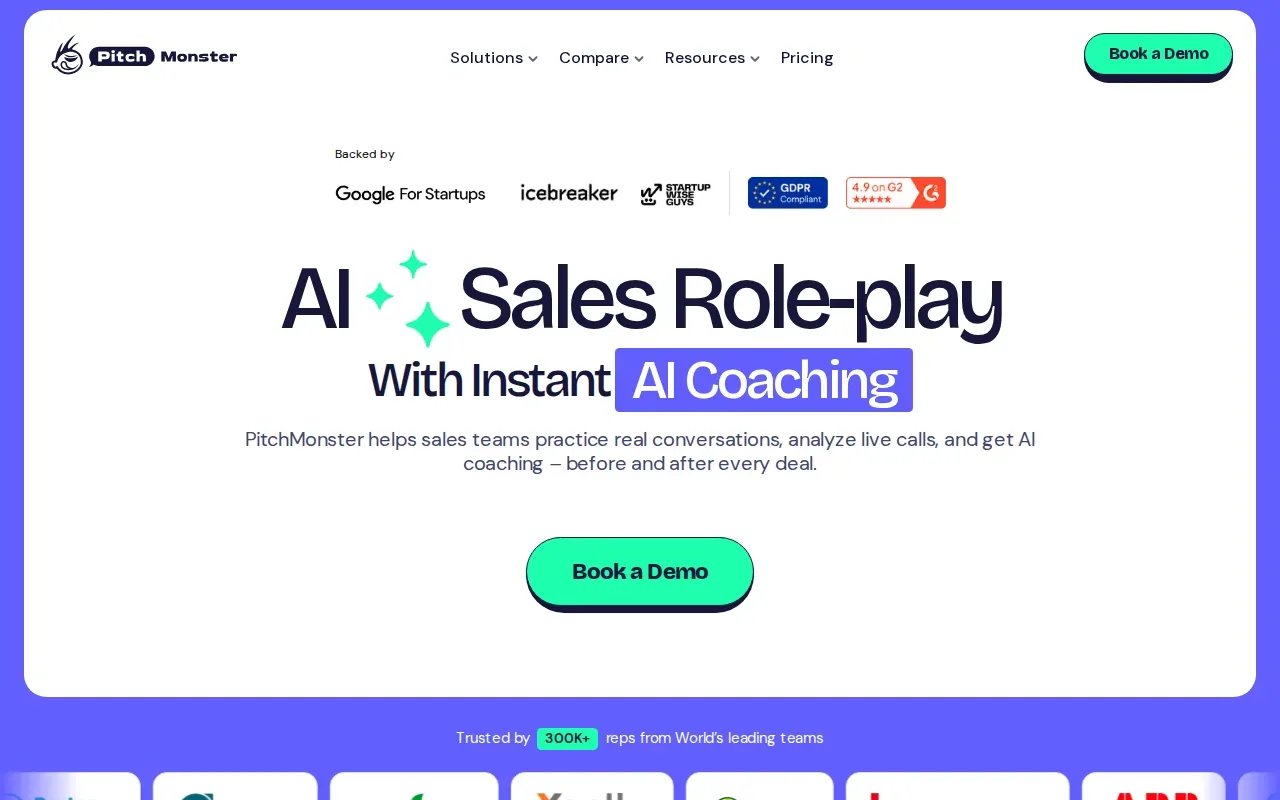
After each session the AI Coach debriefs the rep, scores the call against your playbook, and surfaces exact moments where the rep won or missed a cue. Managers can see score trends across the whole team without listening to every recording.
The tool supports 29 languages and can be set up in under two weeks, which makes it a solid fit for global teams that need consistent practice.
A caveat: the AI buyer can feel too scripted if you don’t regularly refresh the scenario library with fresh loss‑deal data.
PitchMonster’s focus on practice means reps spend less time on theory and more on doing.
3. Gong: Post‑call coaching and revenue intelligence
Gong records every sales conversation, transcribes it, and runs AI analysis to surface deal risk signals, sentiment shifts, and talk‑track adherence. The insights appear in a dashboard that highlights at‑risk deals and suggests next‑best actions.
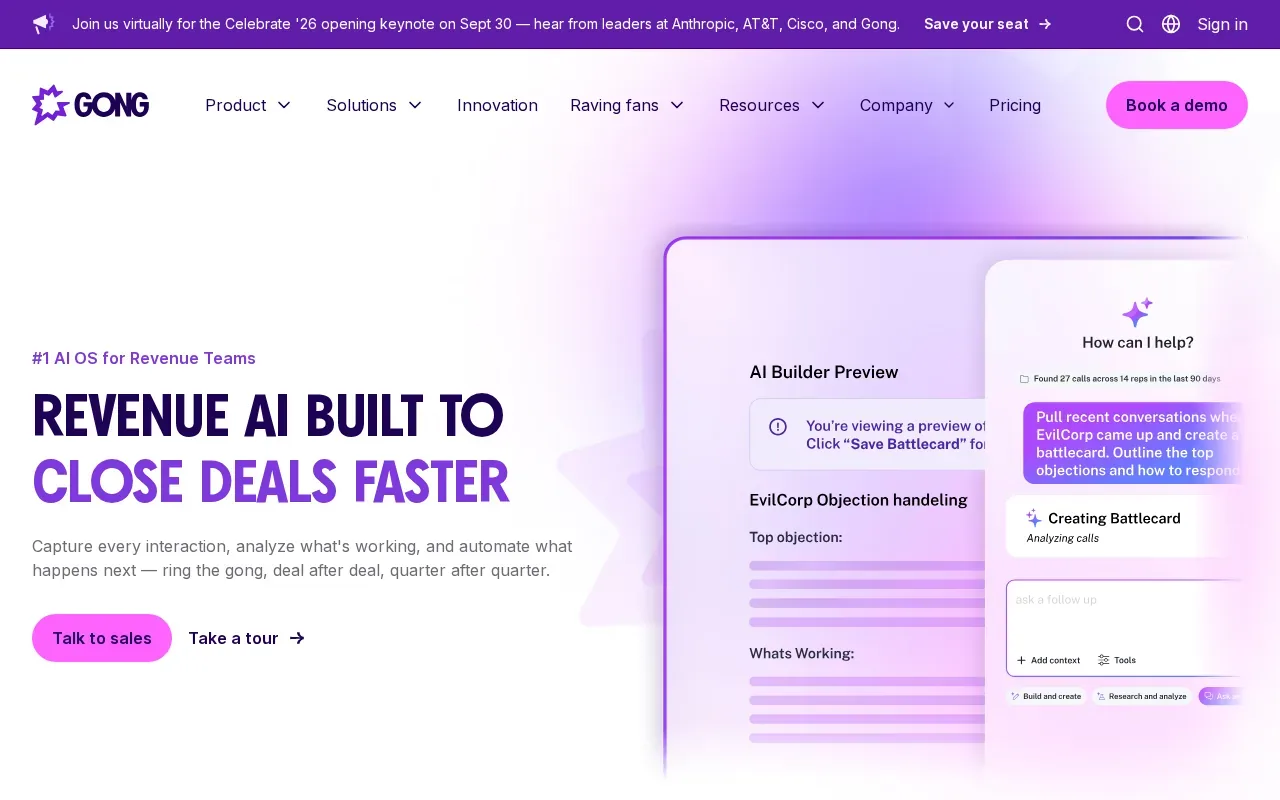
Because Gong works after the call, it’s great for teams that already have a solid live‑call process but need deeper visibility into why deals stall.
One of its strengths is the “deep deal analytics” that score each opportunity across the pipeline, giving leaders a data‑driven forecast.
However, Gong does not provide live guidance; reps must rely on their own prep and intuition during the call.
Gong’s integration with Salesforce and HubSpot keeps the CRM updated with call notes and risk scores.
Key Takeaway: Gong turns every conversation into a data point you can act on after the fact.
4. Allego: AI role‑play and post‑call coaching
Allego blends learning content, AI‑driven role‑play, and post‑call coaching in a single platform. Reps can practice scenarios in 32 languages, then receive instant feedback on timing, tone, and objection handling.
The platform also surfaces “next steps” cards during live calls, though they’re more like reminders than real‑time suggestions.
Because Allego ties coaching to a content library, teams get a single source of truth for battle cards, case studies, and playbooks.
A limitation is that the AI guidance is not as granular as Dialpad’s live cards; it leans toward high‑level prompts.
Allego’s analytics show how many reps completed each scenario and how scores improve over time.
5. Hyperbound: AI practice for SDR and outbound scenarios
Hyperbound focuses on SDRs who need to nail cold‑call scripts and outbound outreach. The AI buyer reacts to common gatekeeper objections and can be tuned to your specific MEDDPICC criteria.
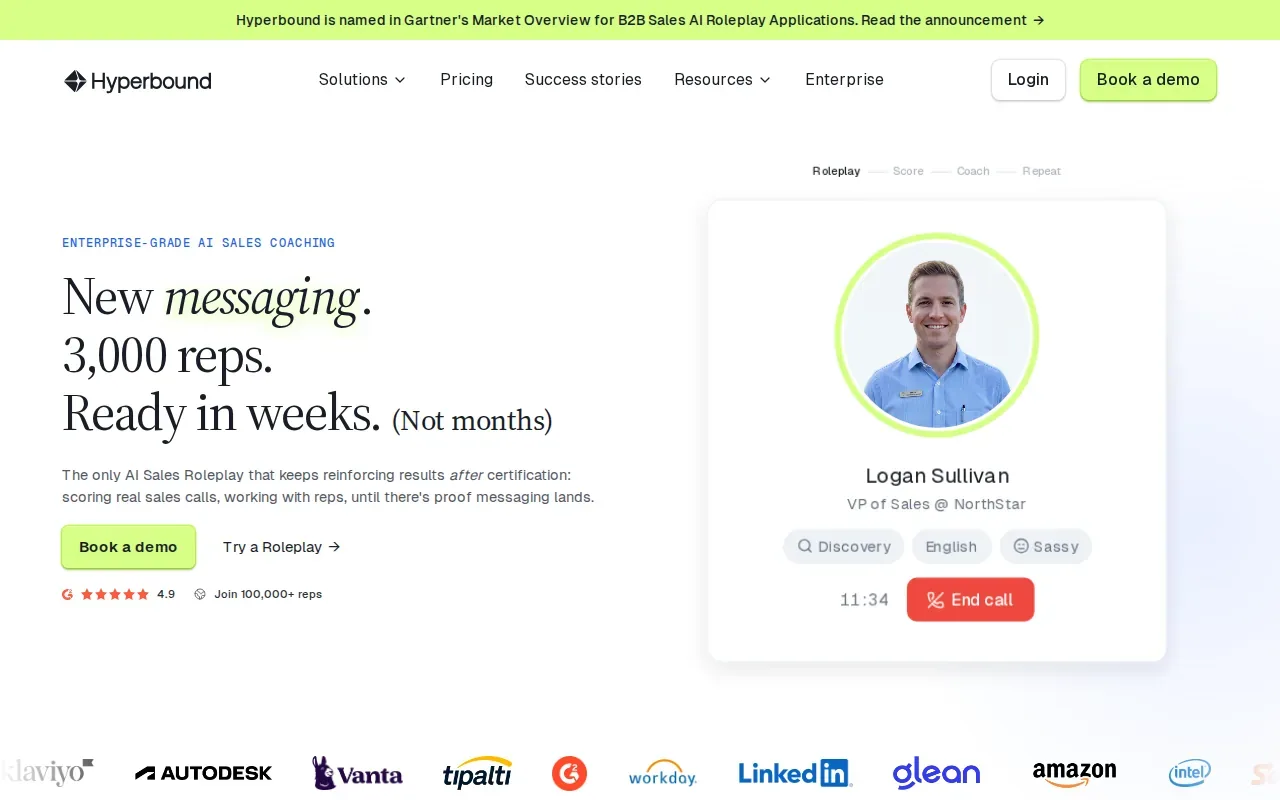
After each role‑play the system scores the call on discovery depth, value articulation, and metric‑based questioning. Managers see a heat map of where reps struggle most.
The platform promises to cut ramp time by half, which is useful for fast‑growing teams that hire in bursts.
Because Hyperbound is built for outbound, it doesn’t include deep post‑call analytics or CRM sync out of the box.
Its strength lies in the repetitive practice loop that forces reps to internalize objection handling.
6. Quantified: AI sales role‑play for life sciences
Quantified tailors AI role‑play to regulated industries. It embeds compliance checks into every scenario, so reps can practice with approved messaging and avoid off‑label language.
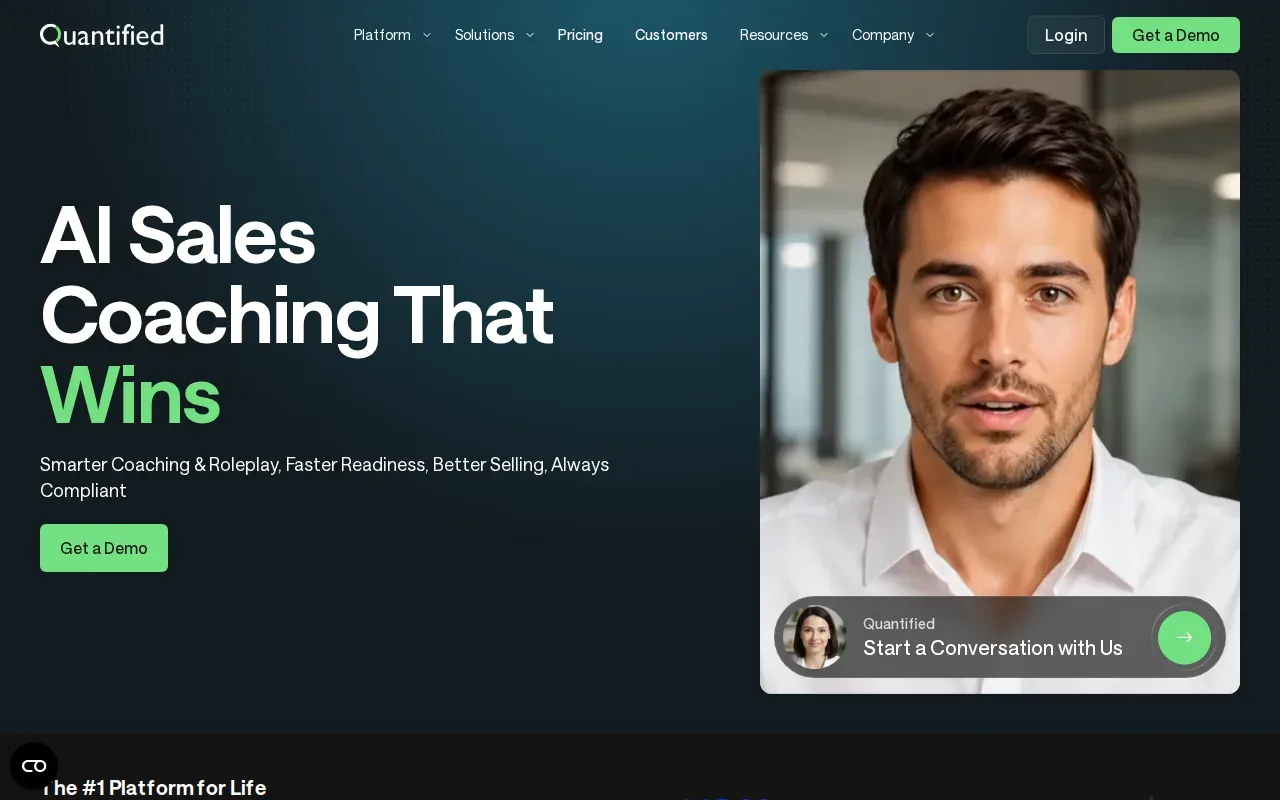
The platform pulls field‑signal data from your CRM to generate buyer personas that reflect real HCP concerns. After each session, coaches get a compliance‑ready debrief.
Quantified also links practice outcomes to commercial KPIs, letting leaders see how coaching improves win rates in pharma pipelines.
A drawback is the higher price point, which may be harder for smaller biotech firms.
For teams that need audit‑ready coaching, Quantified’s built‑in compliance layer is a solid fit.
7. Wonderway: Data‑driven sales training
Wonderway uses AI to analyze each rep’s performance data and then recommends the exact training module they need next. The system tracks conversion rates and surfaces a “skill gap” score for every user.
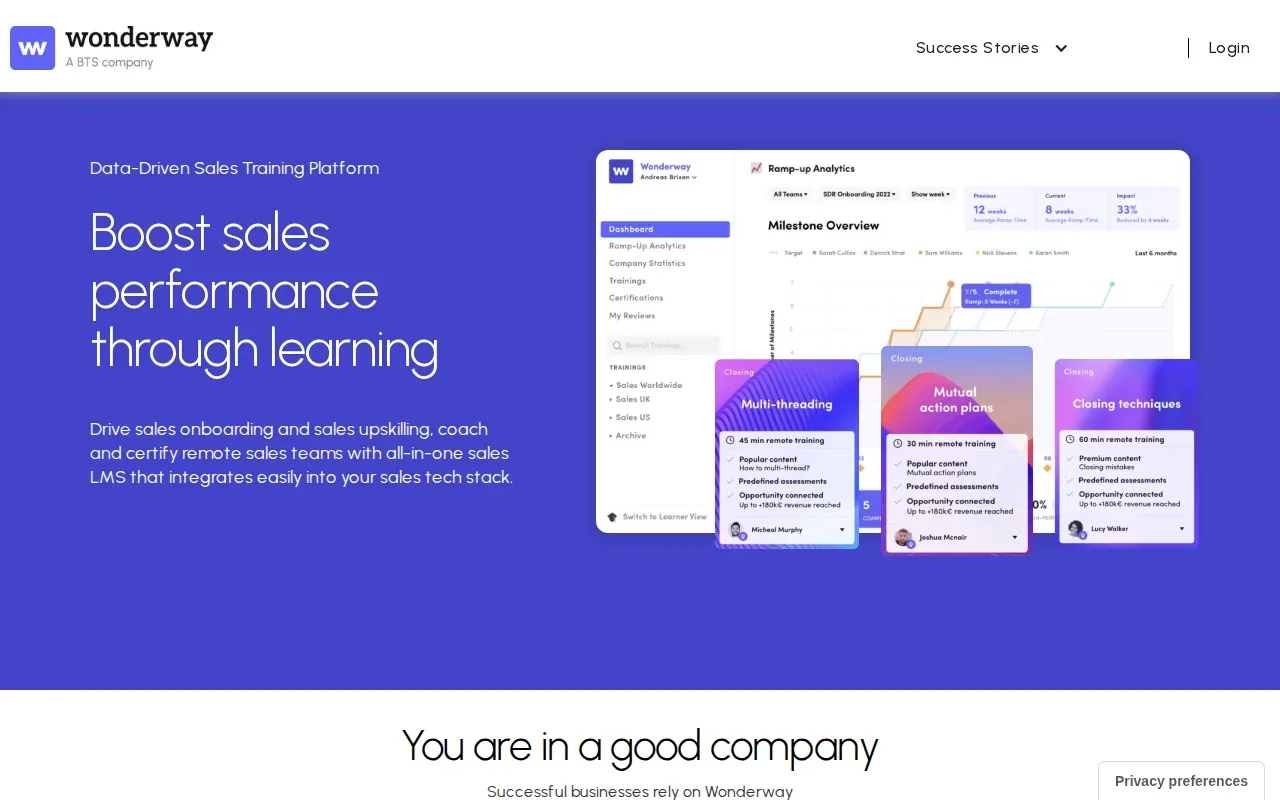
Its integration with your CRM lets the platform pull live pipeline data, so the AI can predict how a new training module will impact close rates.
The platform includes a library of pre‑built programs but also lets you upload custom content for niche products.
One limitation is that Wonderway focuses on training recommendations rather than live call guidance; you’ll still need a separate coach for in‑call prompts.
Overall, Wonderway shines when you want a data‑backed learning path for a distributed sales force.
8. Seismic: Sales enablement with embedded coaching
Seismic delivers an enterprise‑grade enablement suite that bundles content management, AI‑driven recommendation, and post‑call coaching. Reps get “what to say next” suggestions based on the stage of the deal.
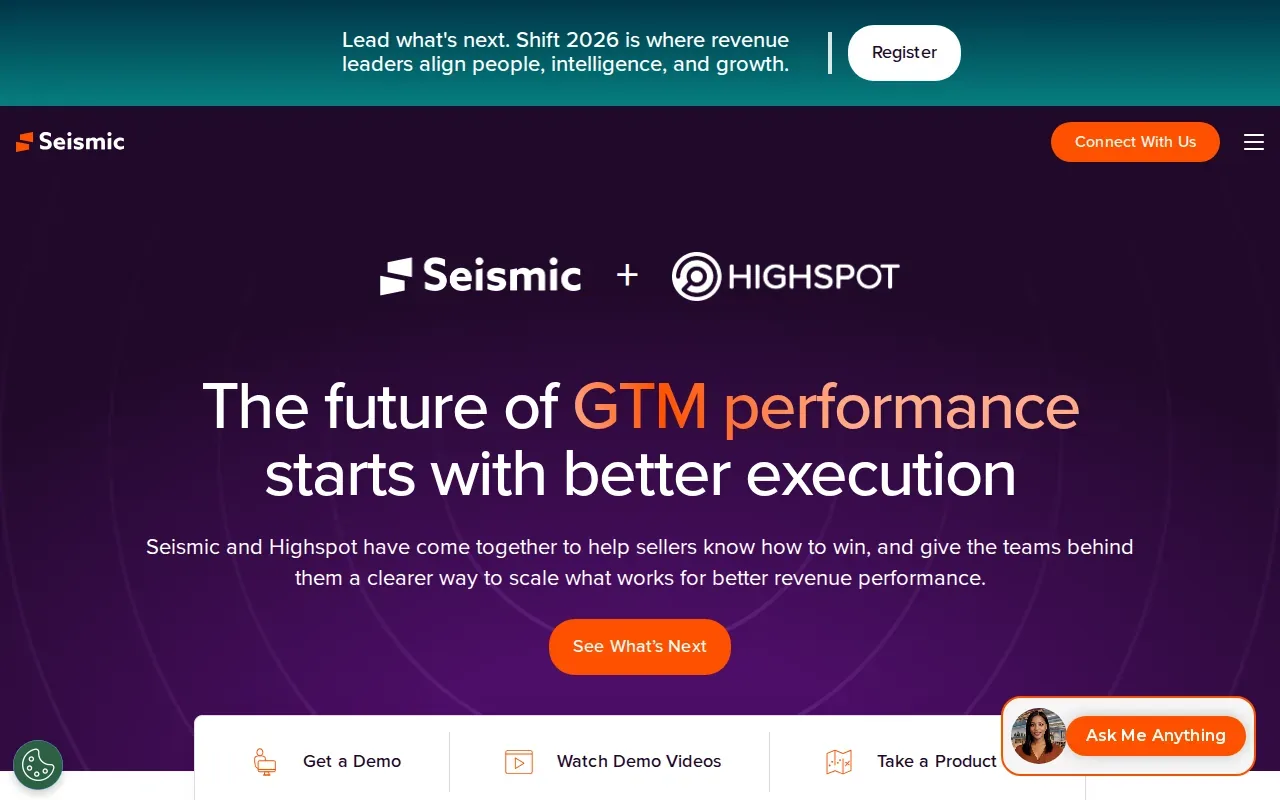
The platform pulls battle cards and case studies into the sales workflow, reducing version sprawl. After a call, Seismic auto‑generates a coaching summary that links back to the exact content used.
Because it’s an all‑in‑one solution, Seismic works well for large orgs that already invest heavily in sales enablement.
A downside is the longer implementation timeline; onboarding can take weeks, not days.
Seismic’s analytics show content adoption rates, helping you know which assets actually move deals forward.
9. Chorus by ZoomInfo: Call recording and talk track analysis
Chorus records, transcribes, and analyzes every sales conversation. Its AI highlights deal‑risk language, competitor mentions, and gaps in the buyer’s buying committee.
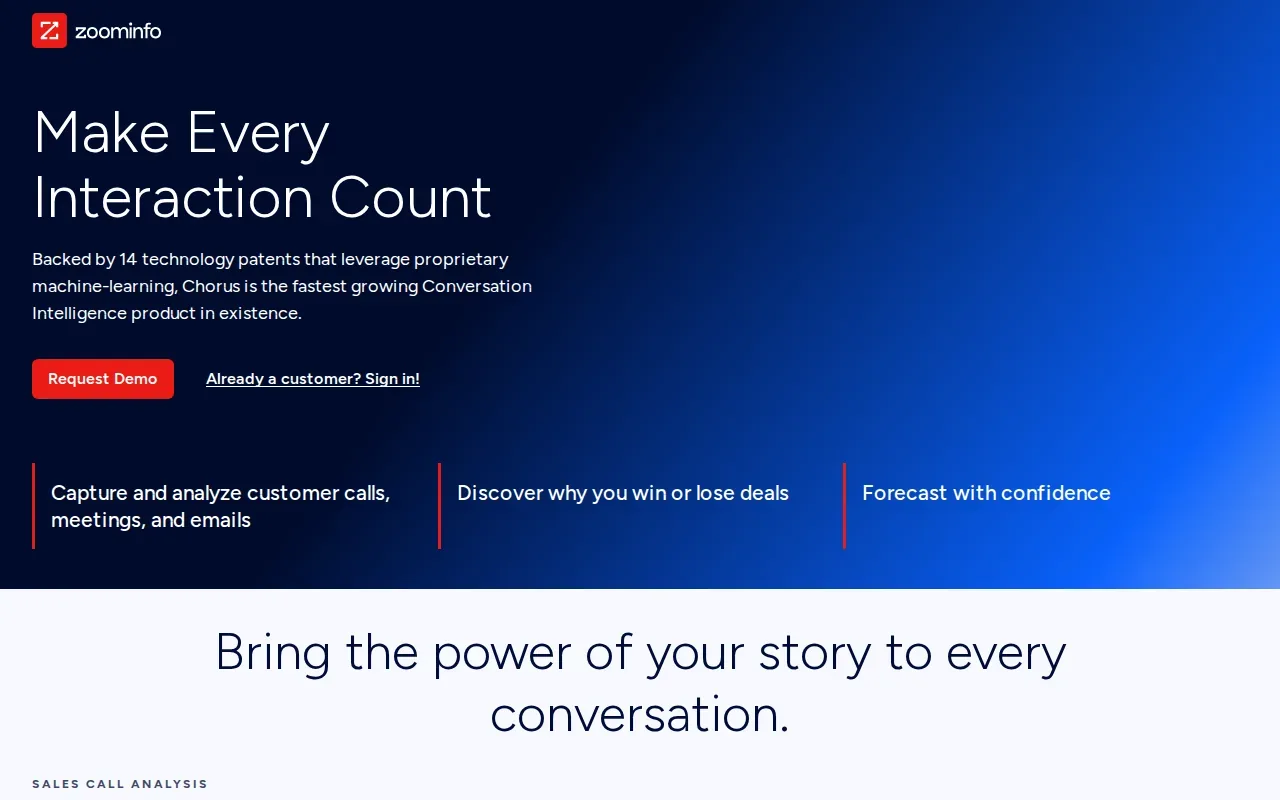
Managers can tag key moments and share them with the team for coaching. The platform also syncs with ZoomInfo’s intent data, so you can see what signals a prospect showed before the call.
Chorus excels at turning raw call data into actionable insights that feed back into forecasting.
The tool does not provide live in‑call prompts; it’s a post‑call intelligence layer.
For teams that need a deep audit trail of conversations, Chorus provides the most granular view.
10. Einstein Conversation Insights by Salesforce: Call insights in a CRM ecosystem
Einstein Conversation Insights (ECI) lives inside the Salesforce UI. It surfaces trends from voice and video calls, flagging sentiment shifts and recurring objections directly on the opportunity record.
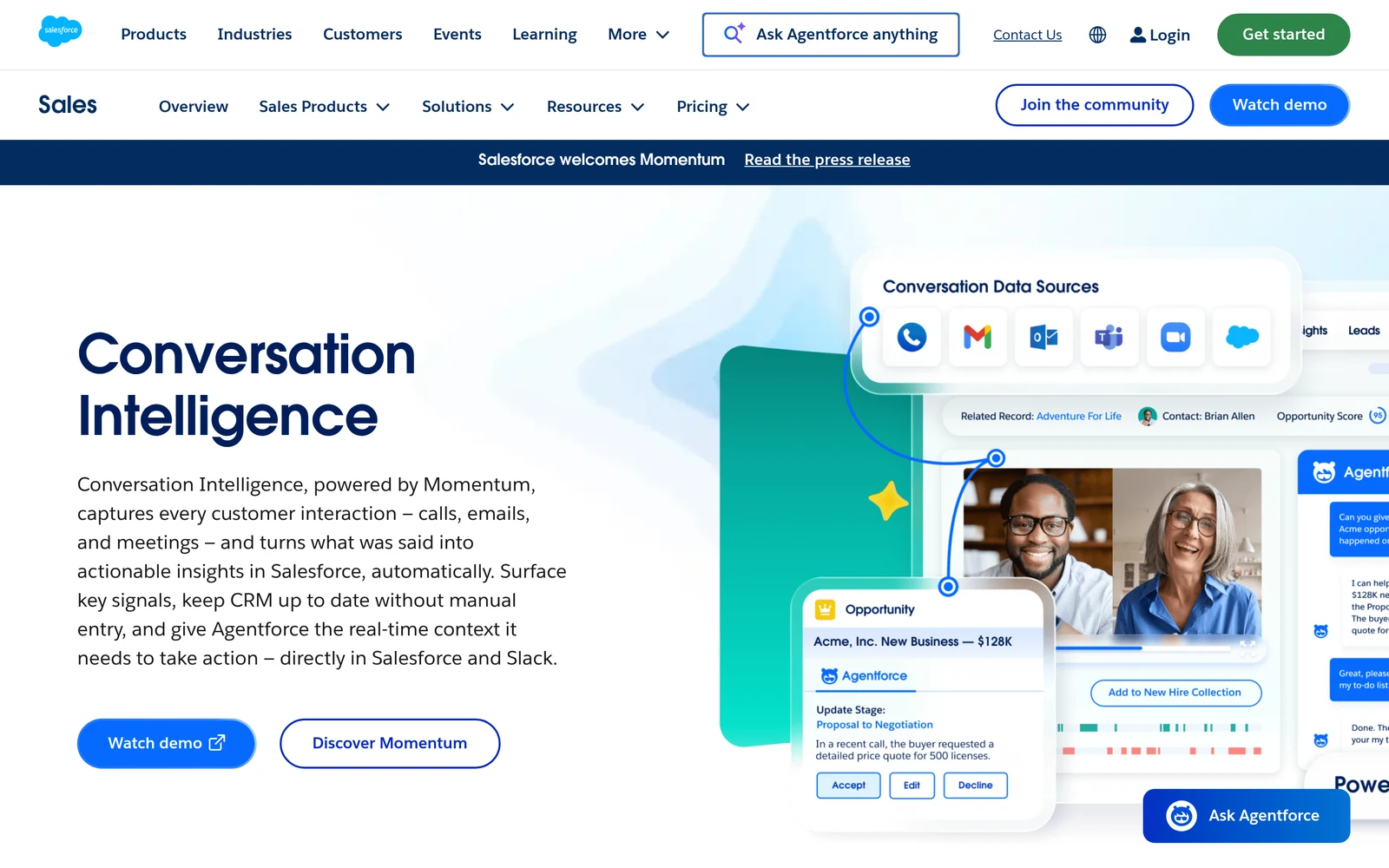
Because it’s part of the Salesforce ecosystem, reps see AI‑derived insights without leaving the CRM they already use.
ECI can surface “next‑best‑action” prompts, but they appear after the call ends, so it’s more of a reflective tool than a live coach.
Teams that run a pure Salesforce stack get the most value, as the data flows automatically into reports and dashboards.
A limitation is that ECI requires a Salesforce license and may not work with external dialer systems.
Pro Tip: If you need live guidance, pair ECI with a pre‑call brief tool like VibeSell to cover the whole conversation lifecycle.
How to choose the right AI sales training tool
- Do you need live, in‑call prompts? Look for Dialpad or VibeSell.
- Is role‑play the biggest bottleneck? PitchMonster, Hyperbound, or Quantified are strong choices.
- Do you already have a heavy content library? Seismic or Allego blend content with coaching.
- Is post‑call analytics your priority? Gong, Chorus, or Einstein Conversation Insights fit best.
Key Takeaway: Match the tool to the sales stage where your team loses the most time, prep, live call, or post‑call analysis.
FAQ
What is AI sales training?
AI sales training uses artificial‑intelligence models to simulate buyer interactions, give real‑time prompts, and analyze call data so reps can improve their skills faster.
Do AI role‑play tools replace human coaches?
No, they supplement coaching by providing on‑demand practice and instant feedback, while human managers still handle strategy and mentorship.
Can these tools integrate with HubSpot and Salesforce?
Most of the solutions listed, Dialpad, Gong, Chorus, and Einstein Conversation Insights, have native integrations that push summaries and scores into HubSpot or Salesforce.
Is there a privacy concern with recording calls?
All listed platforms offer EU data residency or GDPR‑compliant processing, and they let you flag participants whose identity can’t be confirmed.
How quickly can a team see ROI?
Teams that adopt live‑guidance tools often notice a lift in call conversion within a few weeks, while role‑play platforms typically show reduced ramp time after a month of regular practice.
How does VibeSell fit into this landscape?
VibeSell combines calendar‑driven research, live in‑call guidance, and post‑meeting automation in one Chrome extension, covering prep, coaching, and admin in a single workflow.
Ready to cut admin time and give reps live help on every call? Learn about VibeSell
Conclusion
If you need a tool that spans pre‑call research, real‑time coaching, and automated follow‑up, VibeSell is the most complete solution.


