Sales Coaching Software for B2B Teams


TL;DR
Compare sales coaching software for B2B teams, with real-time guidance, AI role-play, CRM updates, coaching workflows, integrations, and pricing.
Sales leaders often have two hard problems at once: reps need help during live calls, while managers need a repeatable way to coach at scale. Our shortlist covers ten sales coaching software options, with a clear split between live guidance, post-call analysis, AI role-play, and enablement.
Real-time support matters when a rep needs help before the deal moves on.
1. VibeSell: Real-time support before, during, and after meetings
VibeSell is a real-time AI sales companion for B2B teams that need help before the meeting starts and while the buyer is still on the call. It prepares a research brief, gives live guidance, then drafts the summary, follow-up email, and CRM updates before the call ends.
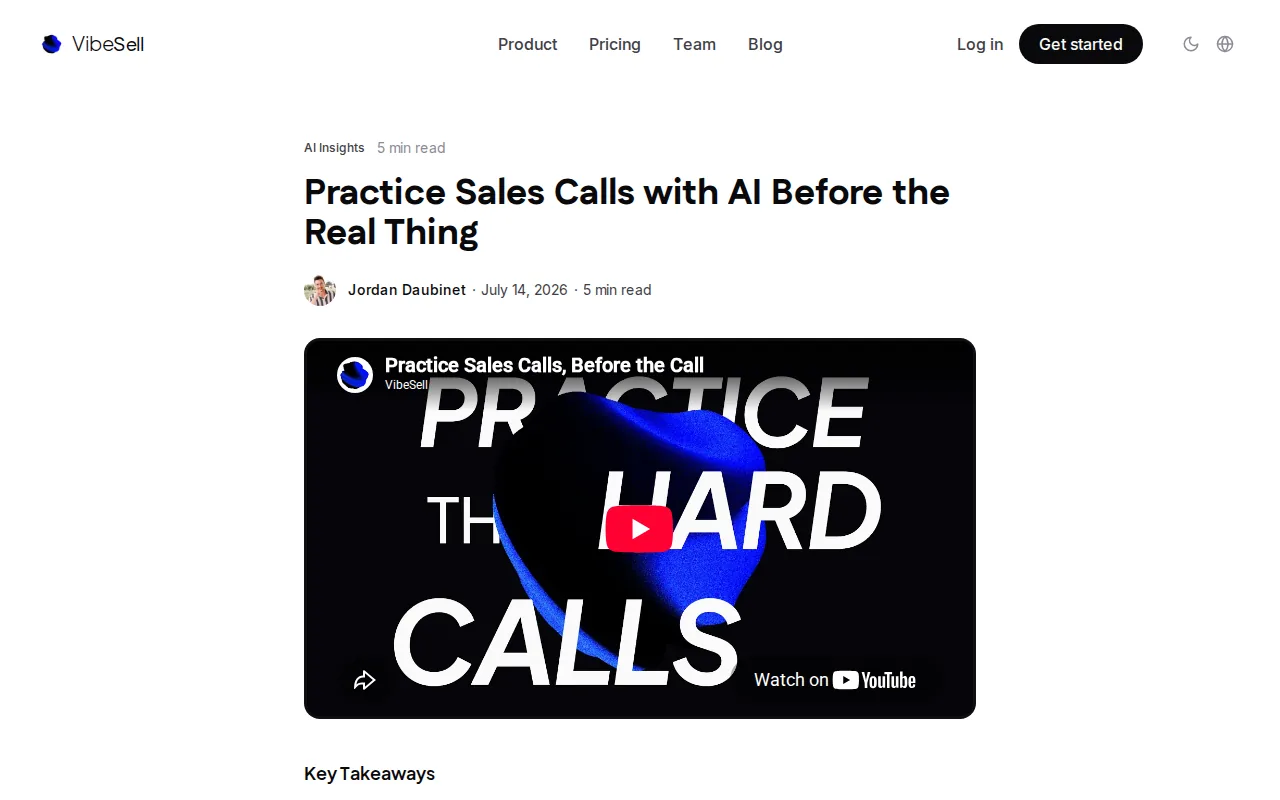
The workflow is built around the meeting. A rep can review instant context on the account and contacts before joining. During the call, VibeSell can surface guidance without asking the rep to leave the conversation. Afterward, the rep reviews suggested CRM changes and approves them. That suggestion-first flow matters because automated CRM updates should save time without filling the system with unchecked data.
VibeSell also combines live guidance with AI practice calls. Reps can practice against buyer personas built from real deal context, replay a past meeting with an AI version of the prospect, and ask Ask Vibe questions about accounts, contacts, and past conversations. The system learns from meetings and practice sessions, so coaching can become more specific over time.
It fits founders who sell, CROs, sales leaders, and teams with roughly 10 to a few hundred reps. HubSpot and Salesforce sync are included, while the rep remains in charge of every update.
The trade-off is focus. Live guidance can distract a rep if every suggestion demands attention. Keep prompts short, use a small set of meeting goals, and let the buyer remain the center of the call. Teams that need a single workflow for prep, live help, practice, and automated CRM updates should start here. A practice sales calls workflow can help managers see how that loop works.
2. Highspot: Sales enablement with AI role-play practice
Highspot is an enterprise sales enablement option with AI role-play for practice calls and coaching simulations.
Its fit is strongest for teams that already manage sales content, training, and coaching as one enablement program. AI role-play gives reps a place to practice pitches before a customer conversation. That can help a manager move practice out of a quarterly training event and into the weekly work of the team.
Highspot connects with Salesforce, Microsoft, and Slack. Highspot pricing is quote-based and enterprise-focused, so smaller teams should ask about minimum contract size, rollout work, and which modules are included.
Ask for a live test with your own sales playbook. A generic role-play demo may look useful, but the value depends on whether the tool can reflect your buyers, objections, and sales method.
3. Gong: Conversation intelligence with AI-drafted outreach
Gong is built around conversation intelligence, with a Revenue AI OS that combines call analysis with AI-drafted outreach.
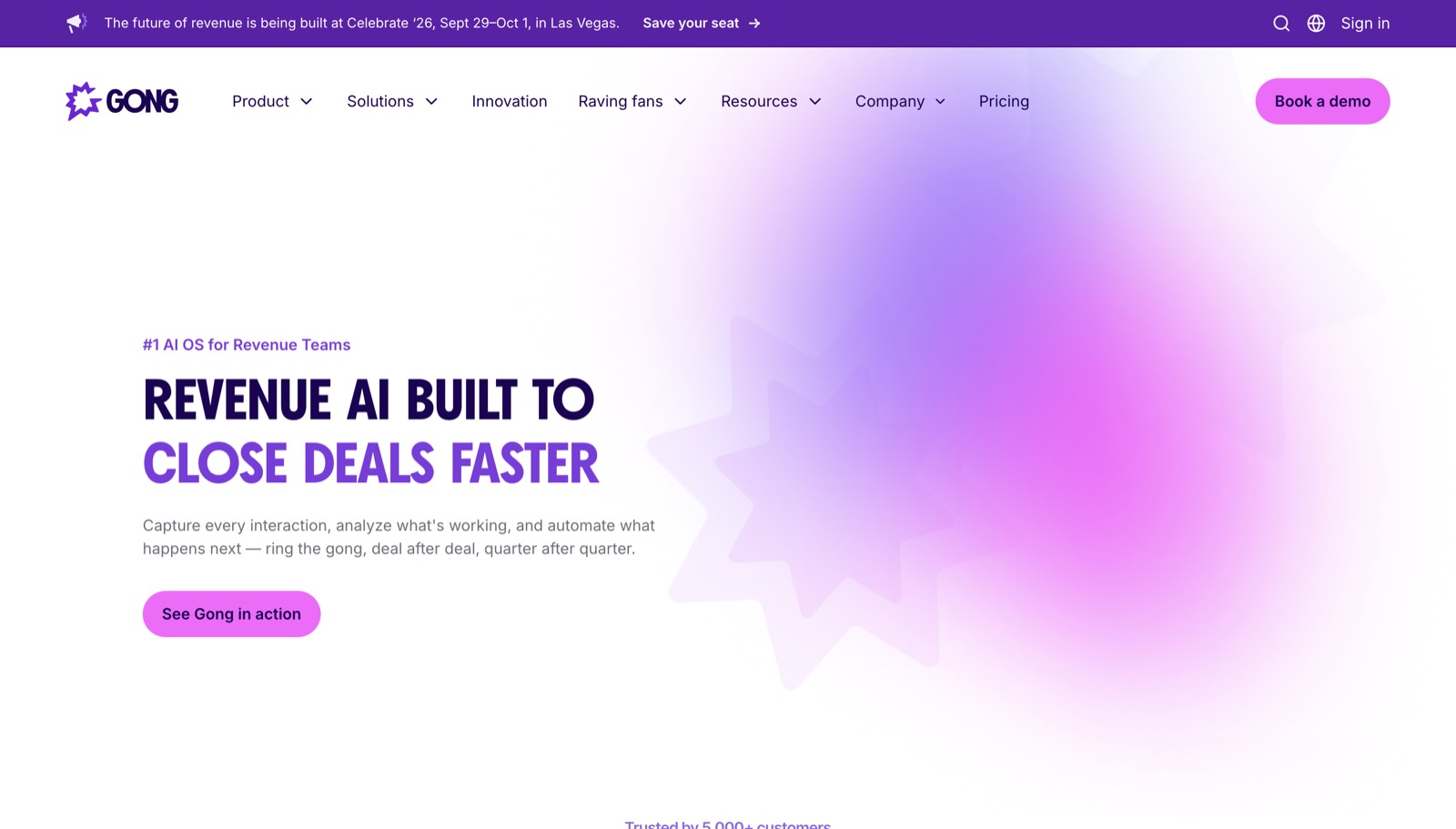
It suits revenue teams that want managers to review patterns across customer conversations rather than rely on memory from a few calls. The post-call model can help leaders spot repeated objections, weak discovery, or deal risk after the meeting ends. AI-drafted outreach can then turn conversation data into a starting point for follow-up.
The key limitation is timing. Post-call analysis helps the next conversation, but it cannot change the answer a rep gives in the current one. That makes Gong a different fit from a tool designed to guide the rep while the buyer is speaking.
Pricing is quote-based. Before buying, test how well Gong connects call insight to your CRM process. A transcript is useful only when managers can act on it through a clear review and feedback loop.
4. Seismic: Enterprise enablement with AI role-play
Seismic is an enterprise enablement platform with AI role-play simulations for practice and coaching plans.
Seismic and Highspot are now the same company: the merger completed on 18 August 2026 and the combined business runs under the Seismic brand, with both platforms still supported.
It is a fit for larger teams that need training, content, and coaching under one enablement program. Reps can use simulations to rehearse customer moments before a live call. Managers can tie practice to a coaching plan instead of treating role-play as a one-time onboarding task.
Seismic has Salesforce and Microsoft Dynamics integrations. Seismic also describes its Aura AI layer as an enterprise AI system for sales content and enablement work. Buyers should ask how content permissions, data retention, and admin controls work in their region.
Pricing is quote-based. The honest trade-off is scope. If your main issue is that reps walk into calls without account context, a full enablement suite may be more than you need. If your team needs governed content and structured readiness, the broader setup may make sense.
Seismic's own site is the right place to verify current product scope before a formal evaluation.
5. Mindtickle: Practice and readiness for structured sales teams
Mindtickle is a sales readiness platform with AI role-play for pitches, objection handling, and persona-based practice.
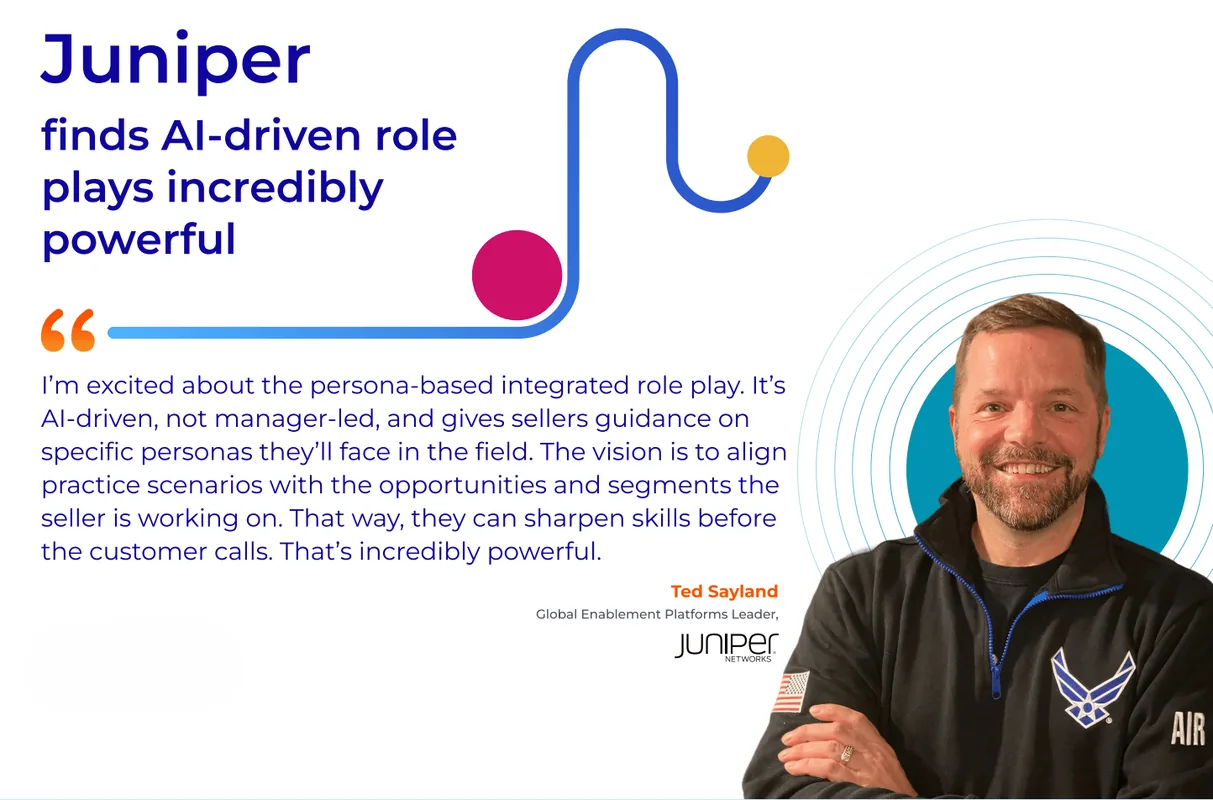
It is useful when your team sells to buying groups. The same objection can mean something different to a CFO, champion, or end user. Mindtickle's role-play approach lets reps practice a conversation with different buyer personas, then receive feedback before the live meeting.
That is more useful than teaching one fixed answer to “it's too expensive.” The rep has to learn what sits behind the objection. This persona-specific approach supports practice and immediate feedback. You can read the vendor's explanation of AI role-play for persona-specific objection handling.
Its ElevateOS agentic AI is described as learning from rep behavior and deal activity. Buyers should still test how much control managers have over scenarios, scoring, and feedback. Role-play volume alone is not proof of skill growth. The link between practice and field behavior needs to be reviewed.
Pricing is quote-based. Mindtickle makes more sense for a structured enablement team than for a small group that only needs quick meeting prep.
6. Salesloft: Activity-based next actions and coaching workflows
Salesloft is a sales engagement platform that uses activity patterns to recommend next actions through Rhythm AI.
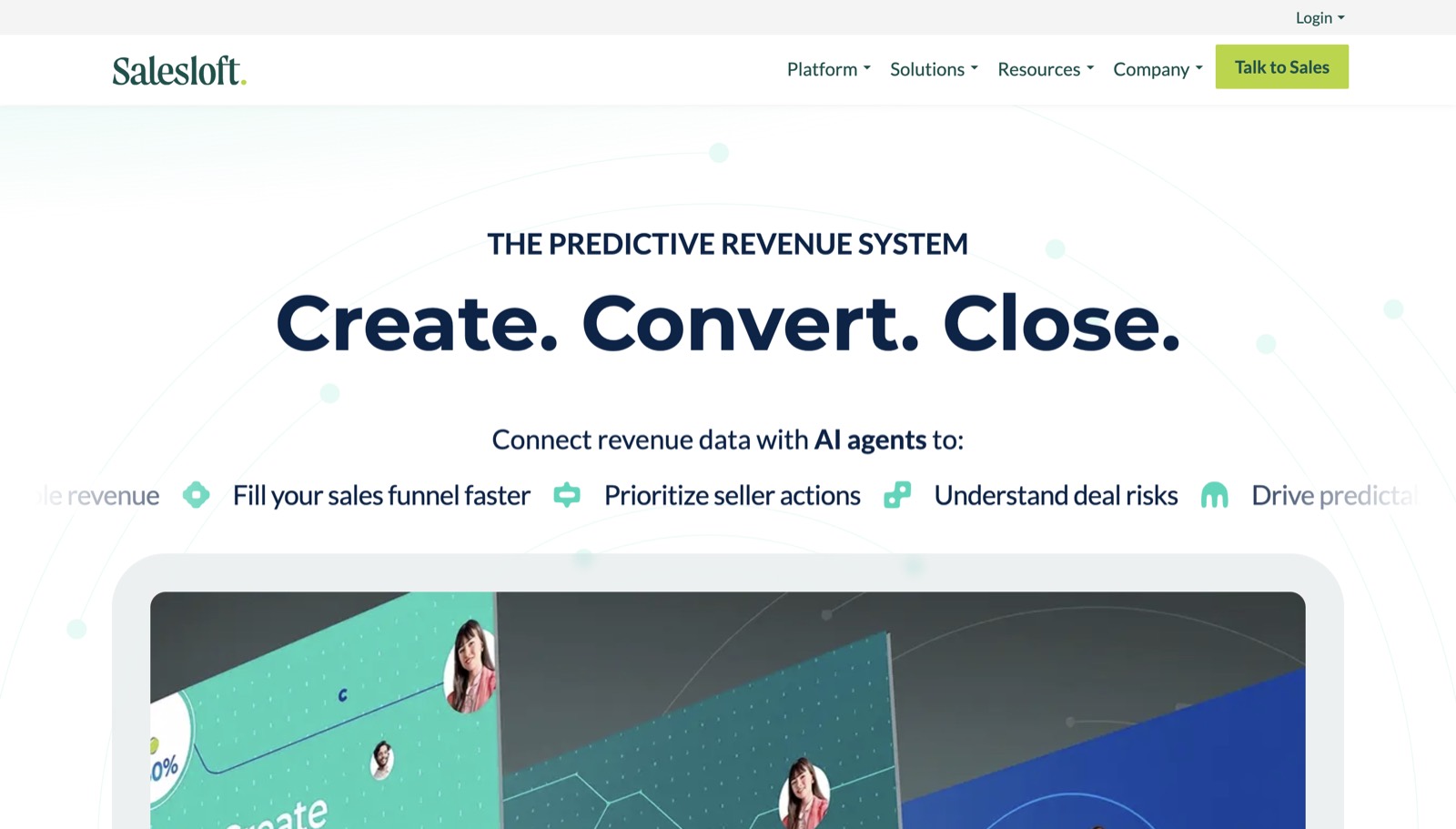
It fits teams that want coaching tied to pipeline activity. Instead of asking a manager to inspect every deal from scratch, the system can point toward the next action based on account and rep activity. That can support a daily manager review, especially when leaders need to focus on stalled opportunities.
Activity signals can help structure a workflow, but leaders should separate activity from progress. More touches do not always mean a stronger deal.
Set a rule for what managers review. For example, they might inspect deals with no buyer response, missing next steps, or a late-stage opportunity without a clear decision process. The tool becomes more useful when the team agrees on what each signal means.
Salesloft pricing is quote-based for its Advanced and Elite tiers. It is a better match for teams that want activity and engagement workflows than for teams seeking deep live call guidance.
7. Allego: Multilingual AI role-play for distributed teams
Allego is an enterprise coaching option with unscripted AI role-play in 32 languages and 71 voices or accents.
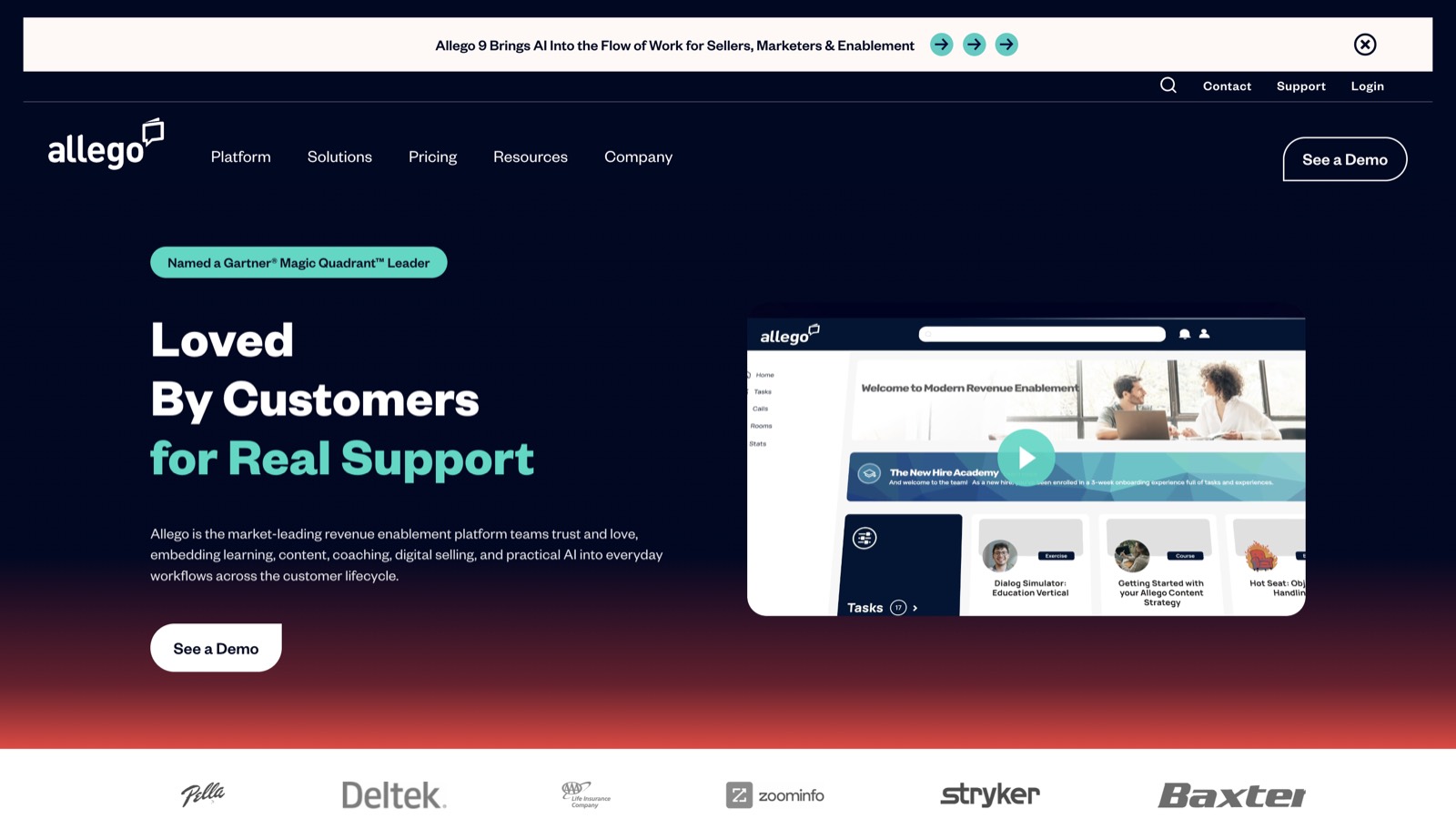
Its clearest fit is a distributed sales organization that needs reps to practice in the language used with buyers. A team selling across Europe may need one playbook, but the delivery and buyer questions can vary by market. Multilingual practice gives managers a way to test those moments before a live deal.
Unscripted practice is important here. A rep should not win a score by repeating a memorized line. Ask how the system scores listening, discovery, objection handling, and method adherence in each supported language.
Pricing is quote-based and enterprise-focused. Smaller teams should confirm whether the language coverage justifies the wider enablement platform. Large global teams should also ask about data storage, access controls, and how managers compare performance across languages.
8. Spekit: Embedded coaching through an AI Sidekick
Spekit puts governed sales knowledge and AI coaching inside the tools reps already use.
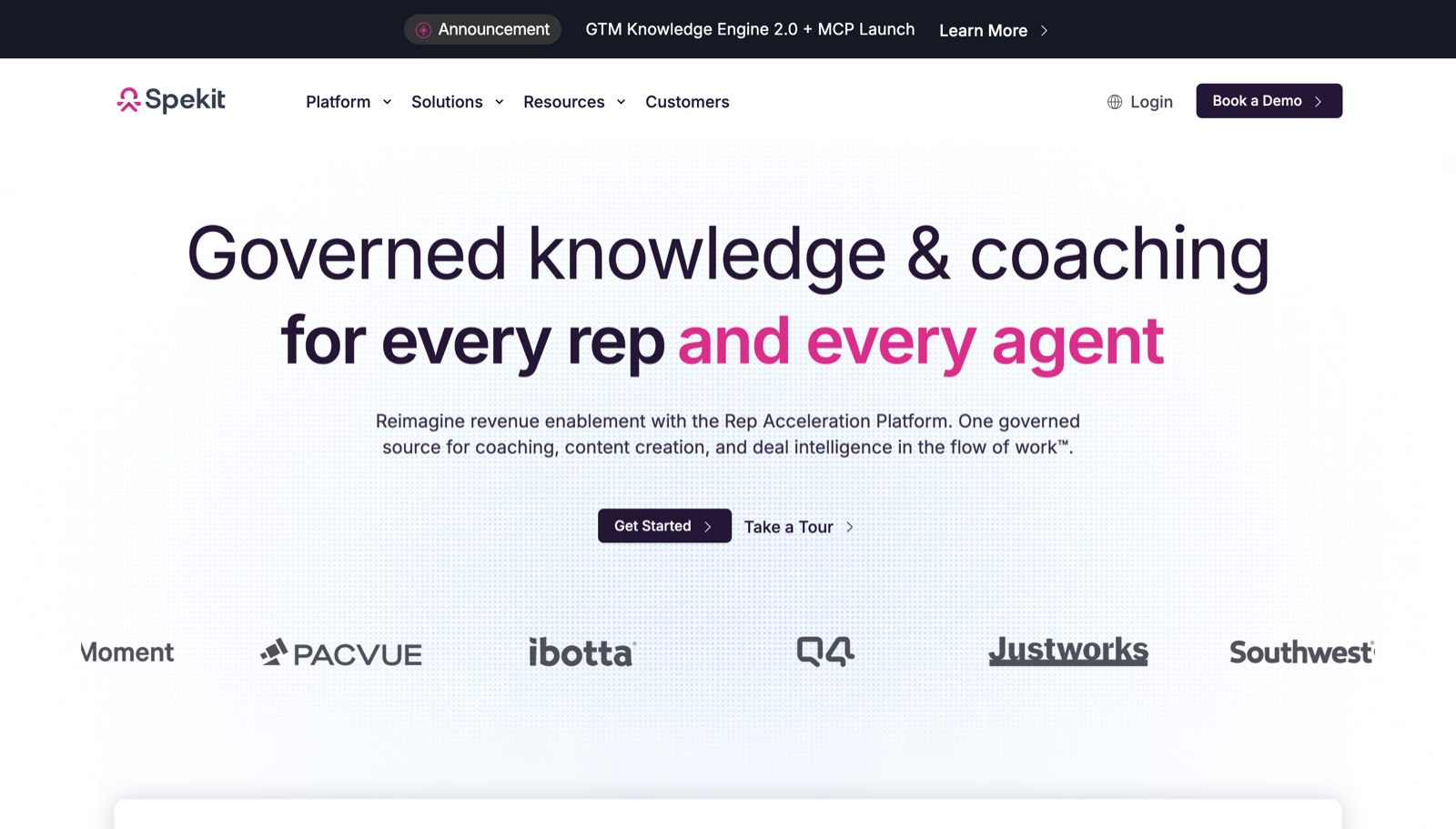
It is a fit for teams whose main problem is rep uncertainty. When a product message changes, a rep should not have to search an old portal for the right answer. Spekit describes an AI Sidekick that surfaces the right play, drafts email content, and uses live deal context.
Spekit connects Salesforce, Gong, and email at the opportunity level. It also supports connections across CRM, email, and other work tools.
The main question is governance. AI output should be grounded in approved company knowledge. Ask who can update that knowledge, how stale content is flagged, and what happens when the CRM record is incomplete.
Spekit reports quote-based pricing. It may reduce tool sprawl for teams that have separate systems for content, onboarding, coaching, and deal support. Teams with a narrow need should compare the rollout effort with the daily workflow they want to fix.
9. Chorus: Real-time guidance with conversation intelligence
Chorus is a conversation intelligence option that captures customer interactions and supports coaching through call analysis.
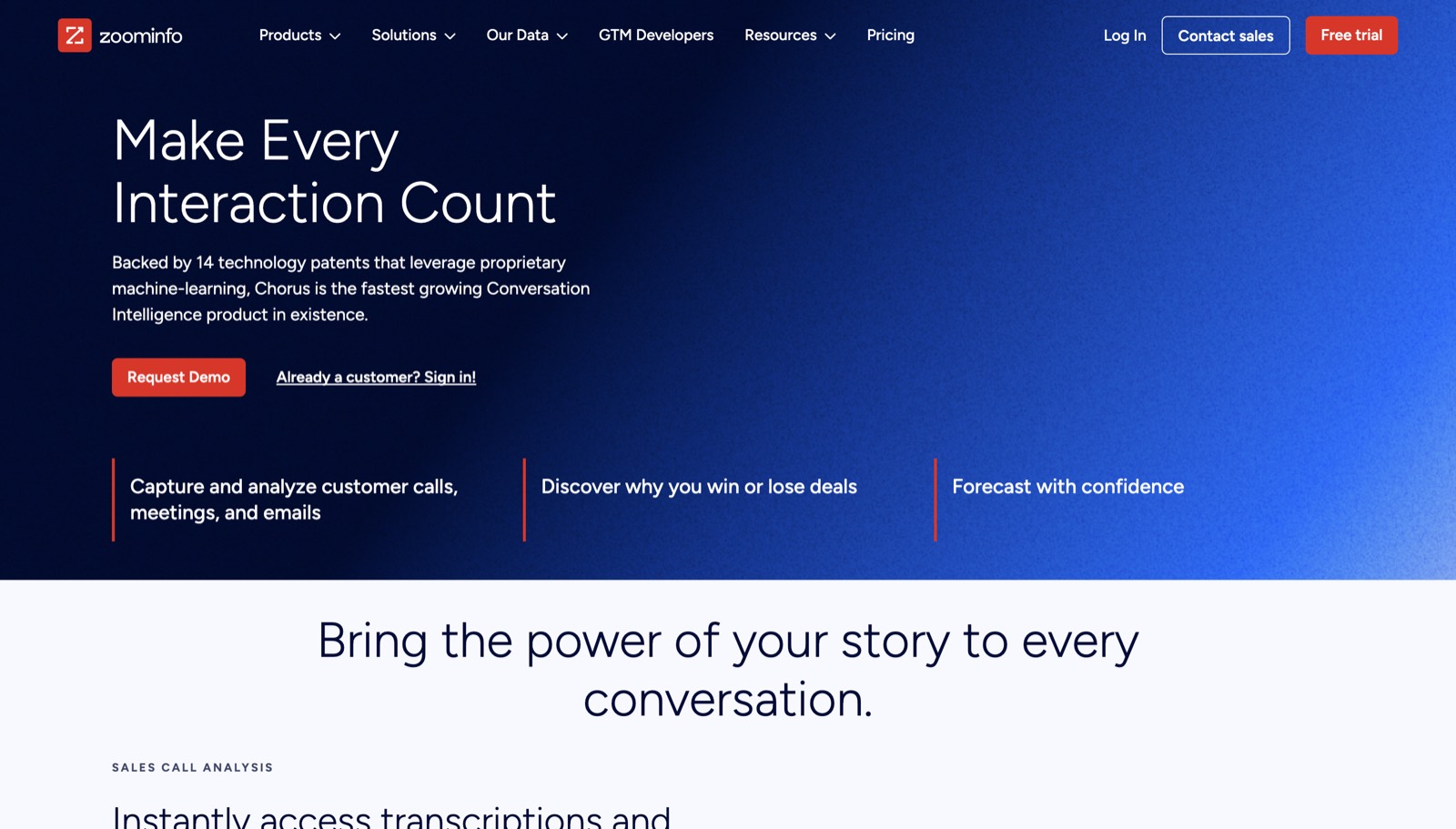
It fits teams that want managers to inspect conversations at scale.
Chorus is also described as part of ZoomInfo's wider revenue platform, with deal context connected to conversation data. That context can help explain why a deal moves or stalls. The value depends on clean CRM records and accurate contact matching, so implementation work matters.
Like other post-call tools, Chorus is strongest when the coaching loop happens after the meeting. Managers need a cadence for reviewing calls, writing feedback, and checking if the rep changes behavior later.
Pricing can be enterprise-focused. Smaller teams should test whether they need the full data layer or mainly want a lighter practice and meeting guidance workflow.
10. Second Nature: AI buyer simulations for sales practice
Second Nature focuses on AI buyer simulations for sales practice and performance feedback.
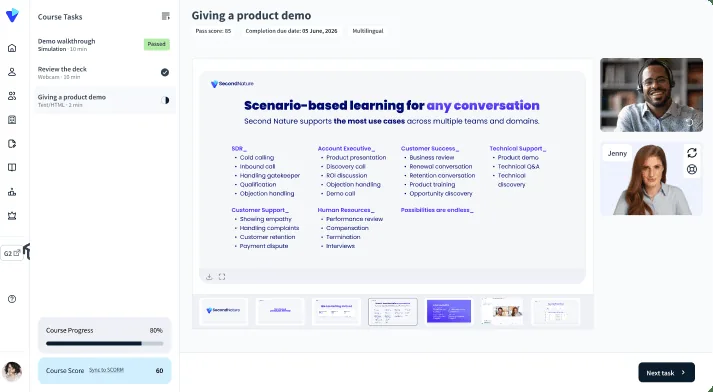
It is a fit for teams that want reps to rehearse before facing a prospect. Its AI avatar called Jenny simulates buyer conversations. That kind of practice can help new hires work through a pitch without asking a manager to repeat the same mock call each day.
The value comes from the feedback after the simulation. A good program should connect the score to a skill, such as asking follow-up questions or handling a pricing objection. Managers should also check whether scenarios reflect current products and real buyer concerns.
Pricing is quote-based. Ask for current pricing and confirm what is included.
Second Nature makes sense when practice is the main gap. It may need to be paired with another system for meeting prep, live call help, or automated CRM updates.
Compare the sales coaching software options at a glance
The right choice depends on the moment where your team loses time or skill. Use the table as a first filter, then test the workflow with one team and a small set of real calls.
| Option | Strongest fit | Live guidance | AI practice | Pricing signal |
|---|---|---|---|---|
| VibeSell | Meeting prep, live help, practice, and automated CRM updates | Yes | Yes | Public plans and enterprise option |
| Highspot (now part of Seismic) | Enterprise enablement and practice calls | Yes, via Copilot live call guidance | Yes | Quote-based |
| Gong | Conversation intelligence and drafted outreach | No, analysis runs after the call | No, not a role-play product | Quote-based |
| Seismic | Enterprise content, readiness, and role-play | No, enablement and readiness focus | Yes | Quote-based |
| Mindtickle | Persona-based practice and readiness | No, feedback comes after the call | Yes | Quote-based |
| Salesloft | Activity-based next actions | No, conversation insights are post-call | No, pairs with a separate role-play tool | Quote-based tiers |
| Allego | Global, multilingual role-play | Yes, in-call suggestions | Yes, Live Dialog Simulator | Quote-based |
| Spekit | Embedded knowledge and workflow coaching | Partial, surfaces content in the moment | No, knowledge rather than simulation | Quote-based |
| Chorus | Post-call conversation analysis | No, live context only, coaching is post-call | No, not a role-play product | Enterprise-focused |
| Second Nature | AI buyer simulations | Performance feedback | Yes | Quote-based |
Pricing is often enterprise-grade. Many platforms use quote-based pricing, so treat the table as comparison data, not a promise of what any vendor will quote.
What to check before you buy
Start with the coaching moment you want to fix. If reps enter calls without context, test meeting briefs and account research. If managers cannot review enough calls, test automatic coachable-moment detection and scorecards. If new hires struggle with objections, test AI role-play using real buyer personas.
Live workflow
Can the rep get help without constant screen switching?
Practice
Can managers change scenarios as products and objections change?
CRM data
Does the system suggest or write updates, and can a rep approve them?
Coaching cadence
Can managers assign work, review feedback, and check progress?
Integration
Does the tool fit your CRM, meeting client, email, and sales engagement stack?
Governance
Where is conversation data stored, who can access it, and how long is it kept?
ROI
Will you track ramp time, manager review time, meeting quality, pipeline movement, or CRM completion?
Run a small pilot. Pick one sales motion, define two or three behaviors, and measure the baseline before rollout. A pilot also exposes the cost of setup, training, and manager adoption before you commit to a wider contract.
Key Takeaway: Choose the tool that fits the moment your team needs help, then prove adoption with a small coaching loop.